If you’re learning audio mixing or music production, understanding compression is essential. Compression helps control the dynamics of your recordings, making your mixes sound professional, balanced, and punchy. In this guide, we’ll dive deep into the four main types of compression you should know: parallel compression, upward compression, downward compression, and serial compression. Plus, we’ll explain what each technique does, when to use it, and why it matters for your mixes.
What is Parallel Compression? (Also Known as “New York Compression”)
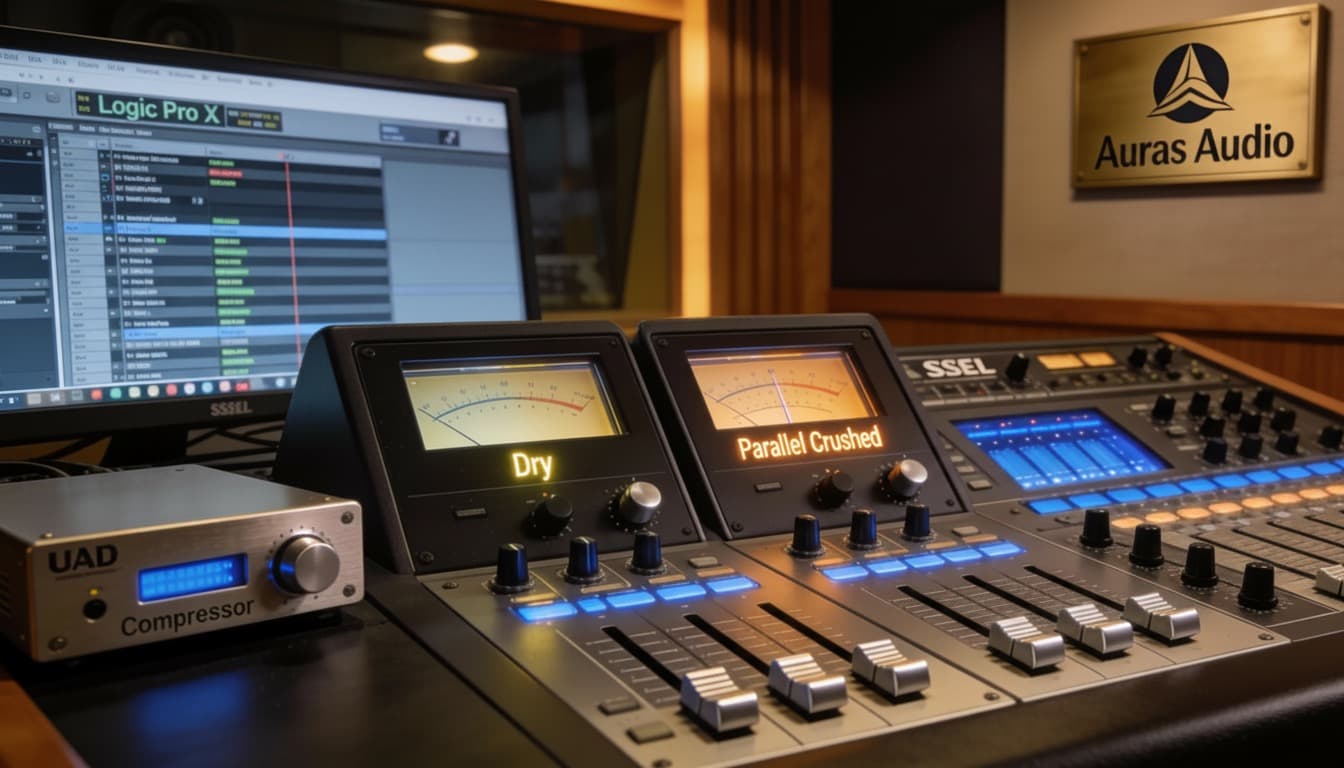
Parallel compression is a popular technique where you blend a heavily compressed version of a track with the original uncompressed (dry) version. The goal? To bring out the subtle details and energy without squashing the life out of your sound.
How it works: Compress the signal aggressively on a secondary channel, then mix it back underneath the original track.
Why use it: It keeps the natural dynamics and attack of the sound, while adding thickness, sustain, and presence.
When to use it: It’s fantastic for drums to add punch, for vocals to bring out softer words, for bass to add weight, and even for whole mixes to boost loudness without destroying dynamics.
Parallel compression helps you get that rich, “in-your-face” sound while retaining the original vibe of your track.
What is Upward Compression and Why You Should Care
Upward compression is a bit different from the common compressors you might know. Instead of turning down the loud parts, it raises the quiet parts without affecting the loudness of the peaks.
How it works: It detects signals below a threshold and turns those quiet bits up, making soft sounds more audible.
Ideal for: Bringing out soft breathing in vocals, delicate guitar plucks, or ambient room noise that adds atmosphere.
Benefits: This keeps the natural dynamics above the threshold untouched, making your track feel more open and detailed.
Upward compression is underused but can be a game changer when you want to reveal hidden details in your mix without compromising energy.
Downward Compression: The Classic Compressor You Already Know
Downward compression is the most familiar type of compression for most producers—it reduces the volume of signals that are louder than a set threshold.
Purpose: To control peaks and reduce the overall dynamic range.
Use cases
- Smoothing out vocal performances so every word is clear and consistent.
- Taming kick and snare drum hits to keep them punchy but controlled.
- Evening out the dynamics of guitars and bass so they stay solid in the mix.
Tips: Adjust attack and release times to control how the compressor reacts to transients for natural or aggressive effects.
It’s the bread and butter of compression, helping keep your tracks balanced and polished.
Serial Compression: Multiple Compressors Working Together
Serial compression means running a signal through two or more compressors in a row. Instead of one compressor working really hard (which can sound harsh), serial compression spreads the compression load evenly.
Why do it: It lets you use gentle compression settings on each unit, resulting in smooth, musical control without artifacts.
Common chains:
- One compressor with a slow attack to catch peaks.
- Followed by a second with faster attack/release to shape the body and color of the sound.
Great for: Vocals with wide dynamics, drums that need peak control and sustain, and mixing/mastering buses where subtle control matters.
Serial compression is perfect when you want the best of both worlds—control and character.
Why Compression Matters in Your Mix
Compression isn’t just a technical tool—it’s a creative one. Knowing how and when to use these different styles lets you sculpt your sound, keep everything balanced, and make your mix more engaging. Whether you want the energy and punch from parallel compression or the detail reveal of upward compression, mastering these techniques is key.
Bonus Tips for Mixing with Compression Like a Pro
- Always listen carefully to how your compression settings change the vibe.
- Use your ears over meters—compression sounds can be subtle but impactful.
- Combine techniques for the best results (e.g., parallel + downward compression together).
- Experiment with attack/release settings to find your signature sound.
- Don’t forget compression affects tone and feel, not just volume.
By understanding these compression methods in detail, you’ll improve your mixing skills and create tracks that sound professional, clear, and exciting. Give them a try in your next mix and notice the difference!